Is Your Annual Leave Making You More Stressed?
The Holiday Paradox:
Why Taking Time Off Causes Workplace Stress (and How to Fix It)
Annual leave is supposed to be the ultimate reset button—a chance to step back, disconnect, and focus on physical and mental well-being. Yet, for millions of workers, the process of leaving the office and returning to it triggers an overwhelming wave of anxiety and stress.
At edu-c8.co.uk, we regularly look at how workplace culture impacts employee health. The phenomenon of pre- and post-holiday stress is one of the most under-addressed drivers of workplace burnout.
The Reality: What the Statistics Tell Us
The expectation of taking a break often collides sharply with modern working conditions. Research highlights a clear disconnect between taking leave and achieving actual rest:
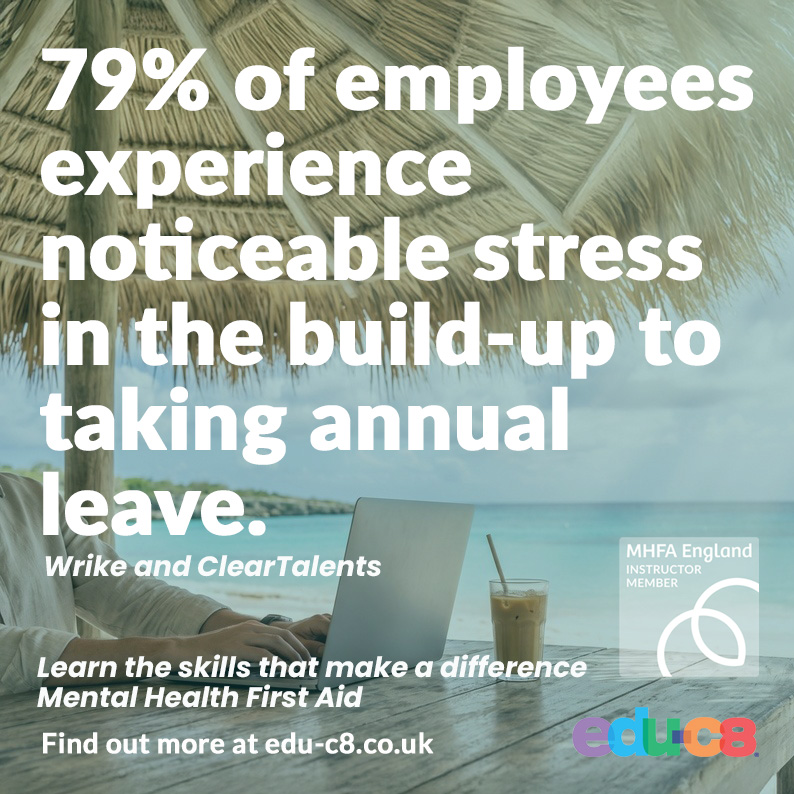
Pre-Holiday Panic: According to workplace stress studies reported by Wrike and ClearTalents, 79% of employees experience noticeable stress in the build-up to taking annual leave. The primary drivers include the fear of falling behind on workloads (34%) and the belief that no one else can handle their responsibilities while they are away (30%).
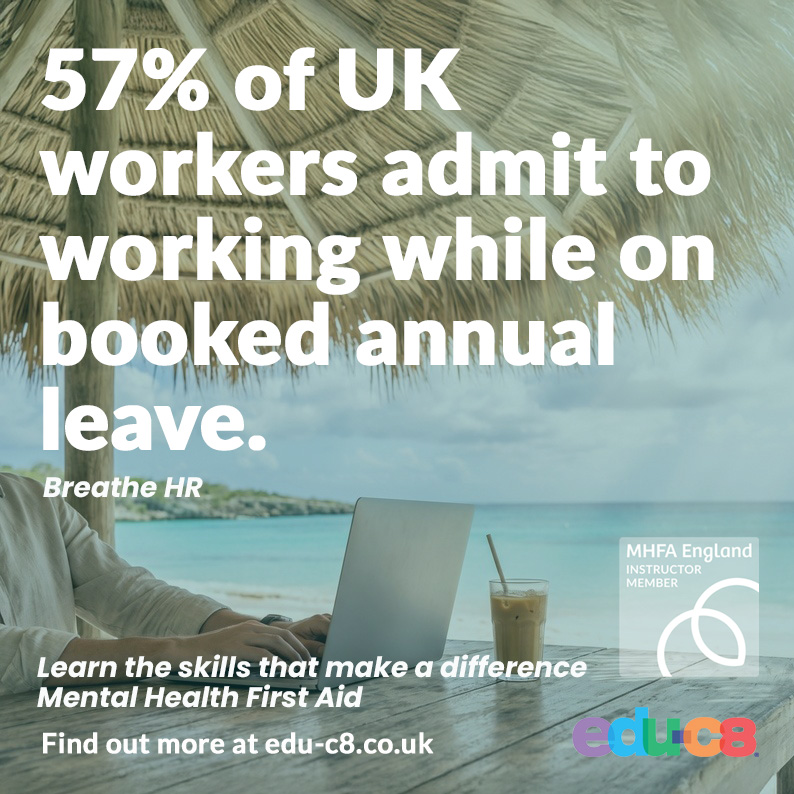
Working Through Leave: A study by Breathe HR revealed that 57% of UK workers admit to working while on booked annual leave. Furthermore, data from Modern Health indicates that 57% of workers feel obligated to check their work emails while away.
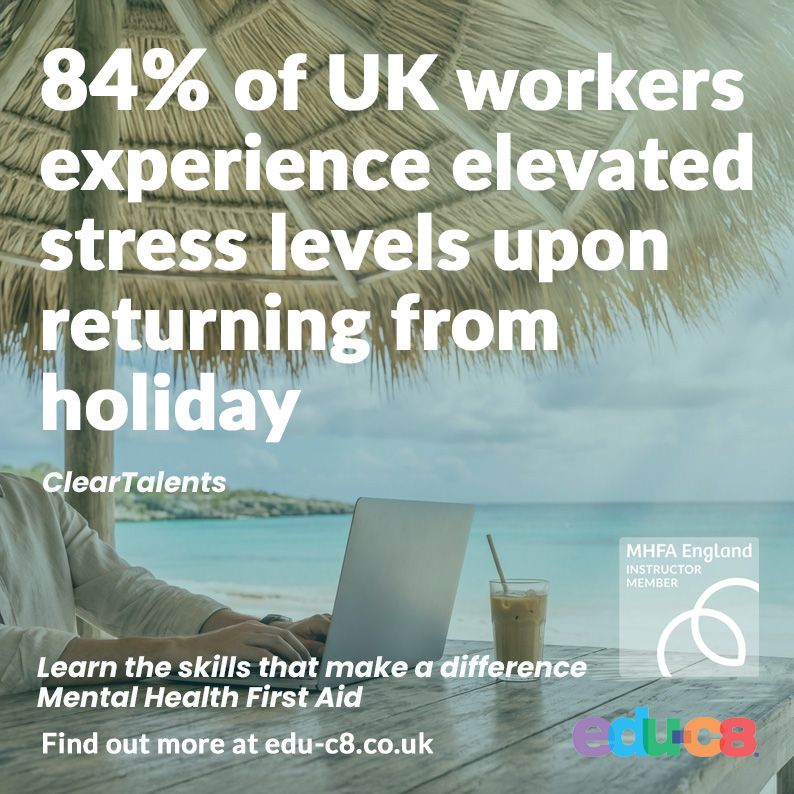
The Return-to-Work Dread: The transition back isn’t much smoother. ClearTalents reports that 84% of UK workers experience elevated stress levels upon returning from holiday, largely driven by email inbox overload and sudden, unmanaged backlogs.
The Cost of Burnout: When employees fail to properly recharge, the long-term impact on mental health is severe. The Health and Safety Executive (HSE) reports that stress, depression, or anxiety accounted for 22.1 million working days lost in Great Britain in a single year, with affected workers taking an average of 22.9 days off per case.
Why Does Time Off Cause So Much Stress?
1. The Pre-Leave “Crunch”:
Workers often squeeze two weeks of productivity into the three days leading up to their break, arriving at their time off entirely exhausted rather than relaxed.
2. Boundary Erosion:
Remote working tools and smartphone notifications make it easy for “quick checks” to turn into hours of active working while away
3. Inadequate Handovers:
Without structured coverage, employees spend their break worrying about what is going unmonitored
4. Re-entry Shock
oming back to hundreds of unread emails and immediate deadline pressures rapidly wipes out any psychological benefit gained during the break.
How Organizations Can Support Better Recovery
Creating a culture where leave is genuinely restorative requires intentional strategies:
Normalize Full Disconnection: Leaders must lead by example by turning off notifications when on leave and actively discouraging employees from replying to messages during their time off.
Build In “Buffer” Days: Encourage staff to set their out-of-office response to clear for an extra 24 hours after they return to allow a catch-up day free of meetings.
Implement Peer Coverage Plans: Ensure explicit, active handovers so responsibilities are shared, reducing the fear of returning to a crisis.
Spotting the Signs: How Mental Health First Aid Can Help
When seasonal or holiday stress accumulates, it often manifests as chronic burnout, withdrawal, or heightened anxiety in the workplace. Identifying these early warning signs in colleagues requires awareness, empathy, and practical training.
At edu-c8.co.uk, we deliver accredited Mental Health First Aid (MHFA) training designed to equip managers, team leaders, and staff with the skills to recognise the signs of poor mental health, offer non-judgmental support, and guide individuals toward appropriate professional help.
Building a supportive workplace culture starts with understanding